
NMN has become one of the most talked-about supplements in recent years. It has been featured in podcasts, shared across TikTok, and championed by longevity researchers. Some people describe it as a breakthrough in anti-ageing science. Others are spending significant sums every month on capsules they believe will slow the clock.
At NobleNature, we do not stock NMN. We do not recommend it. This article explains exactly why, starting with what NMN actually is and what the current evidence does and does not support.
The short version: NMN is a naturally occurring molecule involved in cellular energy. The science is genuinely interesting. But the human evidence is still early-stage, the regulatory picture in the UK is complicated, and the gap between the research headlines and what a supplement can actually do for you is wider than most brands will admit.
What Is NMN?
NMN stands for nicotinamide mononucleotide. It is a molecule that occurs naturally in the body and in small amounts in certain foods, including edamame, broccoli, cabbage, and cucumber.
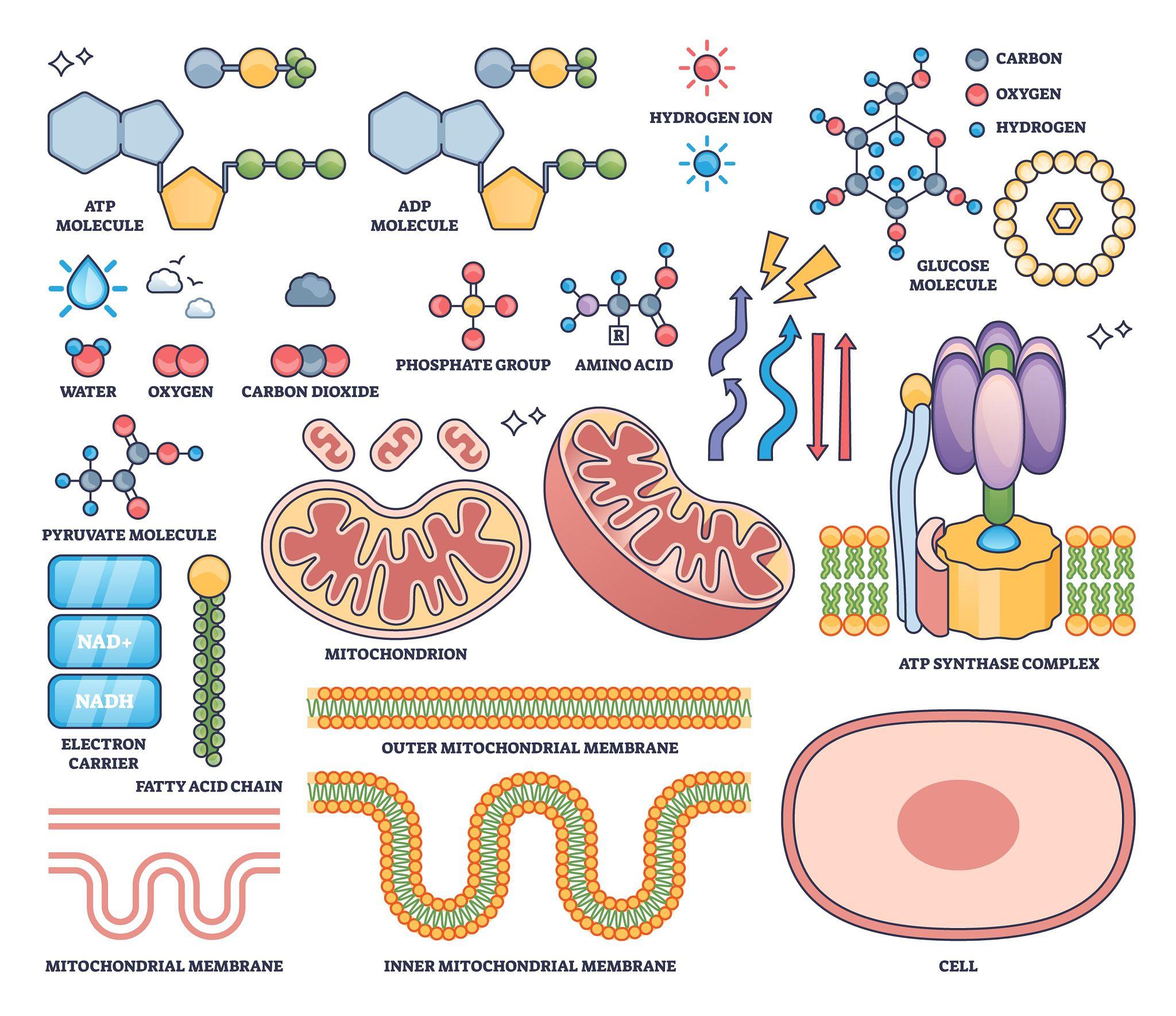
Its role in the body is to act as a precursor to NAD+ (nicotinamide adenine dinucleotide), a coenzyme found in every living cell. NAD+ is essential to a wide range of biological processes, most notably:
- Energy metabolism: NAD+ helps convert nutrients from food into usable cellular energy (ATP)
- DNA repair: It activates enzymes called sirtuins and PARPs, which are involved in repairing damaged DNA
- Circadian rhythm regulation: NAD+ plays a role in maintaining the body's internal clock
- Cell signalling: It supports communication between cells and helps regulate stress responses
The reason NMN attracts so much attention is straightforward: NAD+ levels decline with age. Research has consistently shown that by the time a person reaches their 60s, NAD+ levels can be roughly half of what they were in their 20s. The theory behind NMN supplementation is that by supplying the body with a direct precursor, you can raise NAD+ levels and, in doing so, support the biological processes that decline with age.
It is a compelling idea. And the underlying biology is real. The question is whether taking NMN as an oral supplement actually achieves that outcome in humans at a meaningful scale, with reliable safety data to support it.
Where Does the Evidence Actually Stand?
This is where the conversation gets more nuanced, and where a lot of NMN marketing glosses over the details.
The animal research is promising, but limited in its application
The foundational NMN studies were conducted in mice. Researchers at Washington University School of Medicine and other institutions found that NMN supplementation in aged mice improved energy metabolism, muscle function, eye function, bone density, and even some markers of cognitive health. These results generated genuine scientific excitement and are frequently cited in supplement marketing.
The problem is that mice are not humans. Rodent studies are a starting point, not a conclusion. The doses used in animal research are often far higher relative to body weight than anything a human would take, and the metabolic pathways involved do not always translate directly.
Human trials exist, but they are early and limited
Human clinical trials on NMN are underway and some have been published. The key findings so far include:
- A 2021 study published in Science found that oral NMN supplementation did raise NAD+ levels in the blood of healthy older adults
- Some trials have observed modest improvements in muscle endurance and physical performance in specific populations
- A study involving postmenopausal women with prediabetes found improvements in insulin sensitivity in muscle tissue
These are genuinely interesting findings. However, the trials to date have been small (often fewer than 30 participants), short in duration (typically 8 to 12 weeks), and have not consistently demonstrated meaningful improvements in the outcomes that matter most to the general population: energy levels, cognitive function, longevity, or overall health.
No large-scale, long-term randomised controlled trial has yet established that NMN supplementation produces clinically significant benefits in healthy humans.
That is not a criticism of the research direction. It is simply where the science currently sits. The honest position is that we do not yet know enough.
The bioavailability question
A separate issue is bioavailability. For NMN to raise NAD+ levels in tissue, it needs to survive digestion, be absorbed through the gut wall, and be converted into NAD+ inside cells. Research suggests NMN can be absorbed relatively efficiently, but the degree to which oral supplementation translates into meaningful NAD+ increases in specific tissues (muscle, brain, liver) remains an open question in
The UK Regulatory Picture
Beyond the science, there is a regulatory dimension specific to the UK market that is rarely discussed in NMN content.
NMN is not an approved novel food in Great Britain
In the UK, any food ingredient that was not consumed to a significant degree before 15 May 1997 is classified as a novel food and requires pre-market authorisation before it can be legally sold as a food supplement. NMN falls into this category.
As of 2025, NMN does not have an approved novel food authorisation in Great Britain. The Food Standards Agency (FSA) maintains a list of substances under novel food review, and NMN appears on it, but it has not yet received approval to be sold as a food supplement in this market.
This means that NMN supplements being sold in the UK are, in most cases, operating in a legally grey area. Some brands argue that it is a naturally occurring substance and therefore exempt. The FSA's position does not support that interpretation for supplements.
No authorised health claims
Under UK food law, any health claim made on a supplement must appear on the Great Britain Nutrition and Health Claims Register. NMN has no authorised health claims in the UK. That means any brand claiming NMN will "boost NAD+", "slow ageing", "improve energy", or "support cellular repair" is making claims that are not legally permitted on a product sold in the UK.
This is not a technicality. It is a meaningful indicator of where the evidence base sits relative to regulatory standards. Authorised health claims require a body of consistent, high-quality human evidence. NMN does not yet meet that bar.
| Criteria | NMN Status (UK, 2025) |
|---|---|
| Novel food authorisation | Not approved |
| Authorised health claims | None |
| Long-term human safety data | Limited |
| Large-scale RCT evidence | Limited |
Why NobleNature Does Not Recommend NMN
Our decision not to stock or recommend NMN is not a dismissal of the underlying science. It comes down to three principles that sit at the core of how we formulate and communicate.
1. We only work with authorised ingredients and claims
Every ingredient in a NobleNature product is selected because it has a body of human evidence behind it and, where applicable, an authorised health claim under UK food law. This is not just a compliance position. It is how we ensure that what we tell customers about our products is grounded in something real and legally defensible.
NMN does not currently meet that standard in the UK. Until it does, we will not stock it.
2. Early-stage evidence is not the same as proven benefit
The NMN research is interesting. We follow it. But there is a meaningful difference between a molecule showing promise in early trials and a supplement that we would confidently recommend to our customers as something worth spending money on every month.
We do not think it is honest to sell a product based on mouse studies and small pilot trials, no matter how exciting the underlying theory is. Our customers deserve better than that.
3. Long-term safety in humans is not yet established
Most NMN trials have run for 8 to 12 weeks. We do not have robust data on what happens when people take NMN daily for one, two, or five years. Some researchers have raised theoretical questions about whether chronically elevated NAD+ levels could have unintended effects on certain cellular pathways. These questions are not settled.
When the long-term safety picture is unclear, the responsible position is to wait for the evidence rather than recommend the product now and find out later.
Our position: When the science catches up, if NMN earns authorised status in the UK and the human evidence becomes robust, we will review it. Until then, we do not think it belongs in a science-led supplement range.
What to Consider Instead
If the underlying interests are energy, cellular function, and reducing fatigue, there are ingredients with a much stronger evidence base and full authorisation under UK food law.
Magnesium
Magnesium contributes to normal energy-yielding metabolism, the reduction of tiredness and fatigue, normal psychological function, and normal nervous system function. These are authorised health claims under UK food law, backed by a consistent body of human evidence. Most adults in the UK do not consume adequate magnesium through diet alone, making supplementation genuinely meaningful for a large proportion of the population.
B Vitamins
B vitamins, including B1, B2, B3, B5, B6, B7, B9, and B12, each carry multiple authorised health claims relating to energy metabolism, nervous system function, and the reduction of tiredness and fatigue. These are well-understood, well-researched nutrients with decades of human evidence behind them.
Vitamin D3
Vitamin D contributes to normal muscle function, normal immune system function, and the maintenance of normal bones and teeth. The UK population is widely considered to be at risk of vitamin D insufficiency, particularly during autumn and winter months, making supplementation one of the most evidence-backed interventions available.
These are not exciting in the way NMN is exciting. They do not come with a story about reversing the ageing process. But they are supported by the kind of evidence that warrants a recommendation, and for most people, addressing a genuine nutritional gap in one of these areas will have a more tangible impact on how they feel than an early-stage molecule with unres
The Bottom Line
NMN is not a scam. The science behind NAD+ and its role in cellular ageing is legitimate and worth watching. Researchers at some of the world's leading institutions are actively investigating it, and it is possible that in five or ten years the evidence base will look very different.
But right now, in 2026, the honest assessment is this:
- The human trials are small, short, and inconsistent in their findings
- NMN does not have novel food authorisation in Great Britain
- No health claims are authorised for NMN under UK food law
- Long-term safety data in humans is not yet available
Spending money on NMN today means placing a bet on science that has not yet paid out. That is a choice some people will make, and it is not without logic. But it is not a choice NobleNature will encourage or profit from.
We build products around ingredients that have earned their place through evidence, regulatory scrutiny, and demonstrated benefit in real people. When NMN reaches that standard, we will take another look. Until then, our position remains the same.
References: Shade, C. (2020). The science behind NMN–A stable, reliable NAD+ activator and anti-ageing molecule. Integrative Medicine: A Clinician's Journal, 19(1), 12.
Gindri, I. D. M., Ferrari, G., Pinto, L. P. S., Bicca, J., Dos Santos, I. K., Dallacosta, D., & Roesler, C. R. D. M. (2024). Evaluation of safety and effectiveness of NAD in different clinical conditions: a systematic review. American Journal of Physiology-Endocrinology and Metabolism, 326(4), E417-E427.
Yusri, K., Jose, S., Vermeulen, K. S., Tan, T. C. M., & Sorrentino, V. (2025). The role of NAD+ metabolism and its modulation of mitochondria in aging and disease. Npj Metabolic Health And Disease, 3(1), 26.
Share:
Vitamin D3 and K2: What They Do in the Body and Why They Work Better Together