

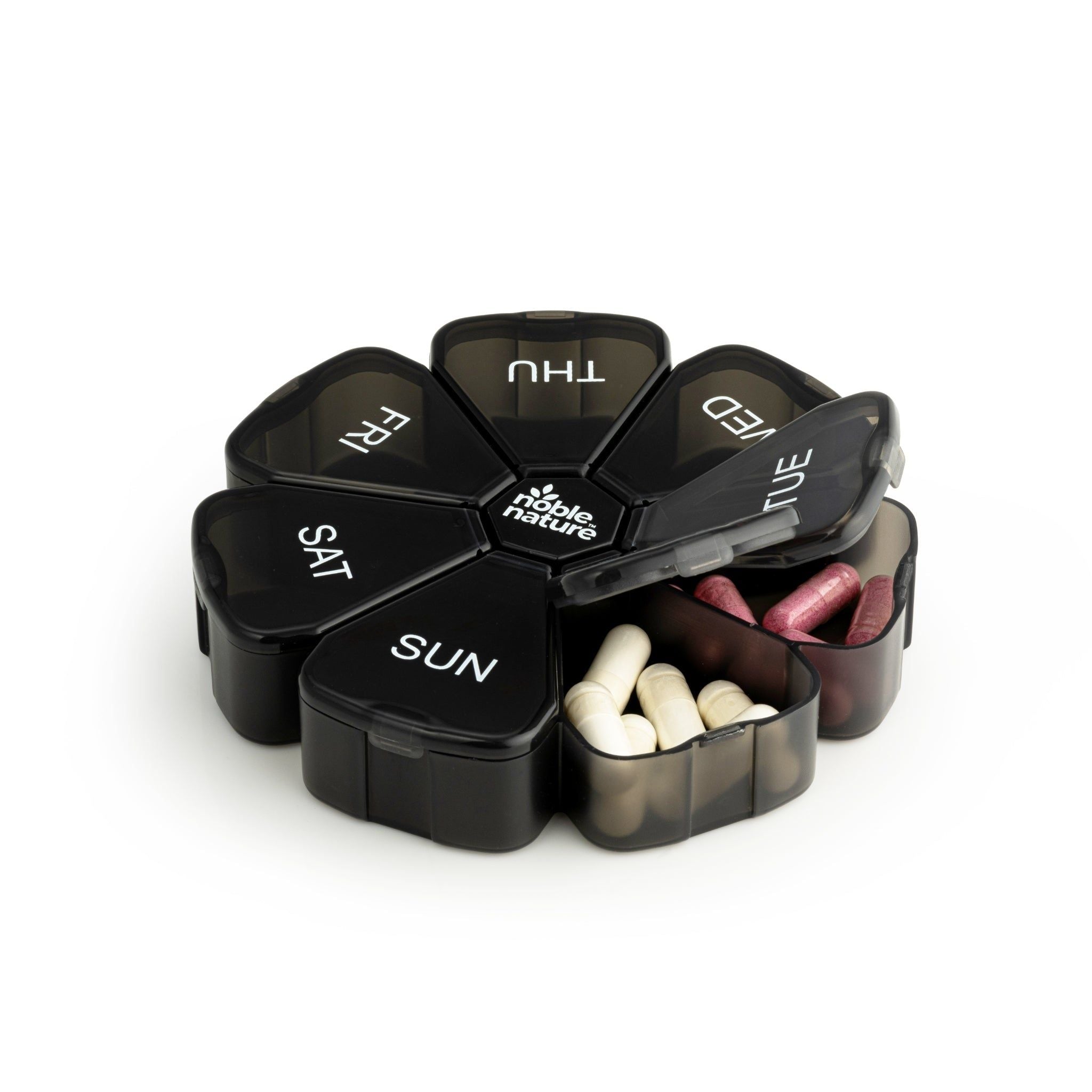
Supplements work best when they have something to work with. That is not a knock on supplementation. It is just the reality of how the body functions: a capsule of magnesium glycinate cannot compensate for a diet of ultra-processed food, chronic sleep debt, and a sedentary routine. It can, however, fill a genuine gap in an otherwise solid foundation.
This matters because most people approach supplementation backwards. They buy the product first and hope the habits follow. The evidence suggests the opposite order is far more effective.
The bottom line: Foundational habits, particularly around diet quality, sleep, and hydration, determine how well your body absorbs and utilises nutrients. Build those first. Then use targeted supplementation to close the gaps that diet alone cannot fill.
Here is where to start.
Prioritise Diet Quality First
This is not about eating perfectly. It is about eating consistently to give your body the raw materials it needs.
The UK National Diet and Nutrition Survey, analysed across 3,238 adults, found that 19% of people in their twenties had magnesium intakes below the Lower Reference Nutrient Intake (LRNI) from food sources alone. A quarter of UK women had iron intakes below the LRNI. Seven micronutrients, including calcium, potassium, and selenium, fell below dietary benchmarks for women aged 20 to 59. These are not edge cases. They reflect the typical UK diet.
The real issue is not that food is unavailable. It is because food quality has declined. Refined grains, processed snacks, and convenience foods displace whole foods that supply most essential micronutrients.
What to focus on
Before reaching for a supplement, audit your diet against these basics:
-
Eat more whole foods. Leafy greens, nuts, seeds, legumes, oily fish, and wholegrains are the primary dietary sources of magnesium, B vitamins, omega-3 fatty acids, and iron.
-
Reduce ultra-processed food. These products are calorie-dense and nutrient-poor. Replacing them with whole foods increases micronutrient intake without supplementation.
-
Do not skip meals. Research from the UK NDNS data shows that irregular eating patterns are associated with significantly lower micronutrient adequacy, particularly in younger adults.
-
Increase dietary fibre. A 2022 review in PMC found that higher fibre intake was associated with more restorative sleep, lower blood sugar volatility, and better gut microbiome diversity, all of which influence nutrient absorption.
Why this matters before supplementing
Supplements are not absorbed in isolation. Magnesium absorption, for example, is influenced by gut health, vitamin D status, and protein intake. If the underlying diet is poor, absorption efficiency drops, and you may be spending money on supplements that your body cannot fully utilise.
Fix the diet first. Then, a supplement to address what the diet cannot realistically provide.
Sort Your Sleep
Sleep is where the body repairs, regulates hormones, and consolidates the benefits of everything you do during the day. It is also where most people quietly undermine their own health without realising it.
Scientific evidence shows that sleeping fewer than 7 hours per night is a risk factor for cardiovascular, metabolic, and cognitive health. Short-term sleep restriction has been linked to increased energy intake the following day, poorer food choices, and reduced diet quality, creating a compounding effect that makes nutritional gaps worse.
The sleep-nutrition link is bidirectional. Poor sleep drives worse eating. Worse eating drives poorer sleep. Breaking the cycle with habits is the only sustainable starting point.
Practical sleep habits that are evidence-backed
A 2023 randomised crossover trial published in Nutrients found that life habits before supplementation significantly predicted whether sleep supplements worked. Subjects who already consumed dairy products regularly showed improvement with all tested sleep supplements. This is a meaningful finding: the baseline habits shaped the supplement's outcome.
Before adding any sleep support, address the following:
|
Habit |
Why it matters |
|---|---|
|
Consistent sleep and wake times |
Anchors the circadian rhythm and regulates melatonin secretion |
|
Reduce screen exposure in the hour before bed |
Blue light suppresses melatonin and delays sleep onset |
|
Avoid caffeine after 2 pm |
Caffeine has a half-life of 5-6 hours and disrupts sleep architecture |
|
Keep the bedroom cool and dark |
Environmental cues signal the brain to transition into sleep mode |
|
Avoid large meals close to bedtime |
High glycaemic meals in the evening reduce nocturnal melatonin secretion |
None of these costs anything. All of them are supported by peer-reviewed evidence. If sleep quality remains poor after consistent effort with these habits, that is a meaningful signal that targeted supplementation may genuinely help.
Get Outside and Move
Two of the most impactful things you can do for your health are free and require no equipment: sunlight exposure and regular movement.
Sunlight and vitamin D
Vitamin D deficiency has been described in peer-reviewed literature as reaching "pandemic" levels in Europe, affecting up to 40% of the population. In the UK, where sunlight intensity is insufficient for cutaneous vitamin D synthesis for around six months of the year, this is a structural problem, not a personal failing.
That said, during the spring and summer months, 15 to 30 minutes of midday sun exposure on the arms and face can meaningfully contribute to vitamin D levels. This should be the first step before considering supplementation. In autumn and winter, when sun exposure is insufficient, supplementation becomes a genuinely rational choice, which is why Public Health England recommends vitamin D supplements for the general UK population during these months.
Movement and its effect on nutrient utilisation
Regular physical activity improves insulin sensitivity, which directly affects how efficiently cells absorb glucose and nutrients. It also supports gut motility, which influences the absorption of minerals, including magnesium and calcium. A 2024 PhD thesis examining the interplay of sleep, exercise, and nutrition found that afternoon moderate-intensity exercise improved both sleep quality and circadian rhythm alignment, creating downstream benefits for recovery and hormonal regulation.
Aim for at least 150 minutes of moderate activity per week. This is not about training for a marathon. Walking, cycling, swimming, or resistance training all count. The goal is consistency, not intensity.
Hydration and Stress: The Two Most Overlooked Factors
Hydration
Water-soluble vitamins, including the entire B vitamin group and vitamin C, require adequate hydration to be transported and utilised effectively. Dehydration also reduces blood volume, which impairs the delivery of nutrients to cells.
The target is straightforward: aim for 1.5 to 2 litres of water per day, more if you are physically active or in warm conditions. Tea and coffee contribute to fluid intake but should not entirely replace plain water, as caffeine has a mild diuretic effect at higher intakes.
Chronically low hydration is one of the most common and easily corrected reasons people feel fatigued. Before attributing tiredness to a nutrient deficiency, spend two weeks drinking consistently and observe the difference.
Stress management
Chronic psychological stress elevates cortisol levels, which, over time, suppress immune function, disrupt sleep, impair gut health, and accelerate the depletion of certain micronutrients, particularly magnesium and B vitamins. This creates a scenario in which stress simultaneously increases nutrient demand and reduces the body's ability to absorb and retain nutrients.
Stress management is not about eliminating pressure from life. It is about building a consistent recovery practice. Evidence-backed approaches include:
-
Mindfulness and breathwork. Even 10 minutes per day of intentional breathing or meditation has been shown to reduce cortisol markers.
-
Social connection. Loneliness is a physiological stressor. Regular social engagement has measurable effects on inflammatory markers.
-
Time in nature. Exposure to green spaces is associated with reduced cortisol and improved mood in peer-reviewed studies.
Addressing chronic stress before supplementing is particularly important for anyone considering magnesium or B vitamin support. These nutrients are depleted faster under stress, and without managing the underlying cause, you may find yourself supplementing to compensate for a lifestyle factor that could be addressed directly.
When Supplementation Makes Genuine Sense
Building these habits does not make supplementation unnecessary. It makes it more effective and more targeted.
The research is detailed that, even with a good diet, certain micronutrient gaps are difficult to close through food alone in the UK. Analysis of European dietary data found that UK women aged 14 to 50 had the highest proportion of magnesium intakes below the Estimated Average Requirement across all countries studied, at 59%. Vitamin D, as noted, is structurally difficult to obtain from diet and sunlight in the UK for much of the year.
These are the scenarios where supplementation is not a shortcut. It is a rational, evidence-based response to a genuine gap.
|
Scenario |
Relevant supplement consideration |
|---|---|
|
Diet improved, but energy remains low |
Magnesium, B vitamins (particularly B12 and B6) |
|
Consistent sleep habits are in place, but quality is still poor |
Magnesium glycinate, which contributes to normal psychological function |
|
UK autumn/winter months |
Vitamin D3, ideally with K2 for bone and cardiovascular support |
|
Gut symptoms persisting after dietary changes |
Probiotics to support microbiome balance |
|
Active lifestyle with high recovery demands |
Magnesium, collagen peptides |
The key distinction is this: supplements used on top of good habits fill genuine physiological gaps. Supplements used instead of good habits are, at best, a temporary measure and, at worst, a way of feeling like you are doing something without addressing the root cause.
Build the foundation first. Then supplement intelligently to go further than food and lifestyle alone can take you.
Share:
Why Is Everyone Talking About Vitamin D3? The UK Deficiency Problem Explained
Why Eye Health Belongs in Every Longevity Plan